Natural Trends in Interior Design: Curtains, Soft Furnishings, Fabrics & Colours for 2027

Sustainability, natural materials and fabrics
Natural fabrics have always been the foundation of our curtain-making business, and there's a strong, continued movement toward using natural, breathable and sustainable fabrics in interiors, especially in curtains and soft furnishings. This trend is being driven by growing eco-consciousness, rising global temperatures and a desire for homes that feel more grounded and connected to nature.
Choosing natural materials is also a great way to bring that outdoorsy, calming feel inside. It adds a bit of texture too (or a mix of textures). I get the feeling more and more people want to achieve this, especially those who are more eco-conscious.
These trends aren't just fleeting – they're forming the new baseline for interiors that feel authentic, sustainable and soul-soothing.
Top natural fabric choices
• Linen: relaxed yet elegant, softens a room, and brings timeless ease and a variety of weights, textures and drapes.
• Cotton: versatile, affordable and increasingly available in organic forms.
• Hemp: durable, mould-resistant and one of the most eco-friendly fabric options, offering wonderful textures.
• Silk: natural luxury with a soft sheen; requires careful use and sun protection.
• Wool blends and alpaca: provide warmth and texture without shine, perfect for classic or rustic spaces.
• Chenille: replacing bouclé in popularity, offering plush softness with more visual interest.
• Velvet: still has its place for warmth, luxury and sheen, with natural pile.

Textures and natural finishes
Natural textures and finishes add tactility and warmth:
• Sheepskin, wood and woven fibres enhance the natural aesthetic.
• Textiles with a rough or uneven texture mimic raw natural materials and bring a grounded, organic look.
• Materials and finishes that honour imperfections bring organic warmth into the home.
• Fabrics with self-pattern, flecked effects, herringbone or woven-in textures are increasingly sought after.
• Natural handloomed and textured fabrics, including stripes, tickings and ginghams, continue to have a strong presence.
Lightweight and sheer options
Letting in light remains key for many. Sheers are a timeless solution:
• They offer privacy without sacrificing daylight.
• They work beautifully layered with heavier curtains for flexibility.
• They are now appearing in more experimental and textured forms, beyond plain white.
Other features
• Café curtains, including a move to patterned ones, are also trending for kitchens, bathrooms and privacy in general, adding a quaint, European touch.
• Natural blinds like chik styles offer clean, minimal shading solutions.
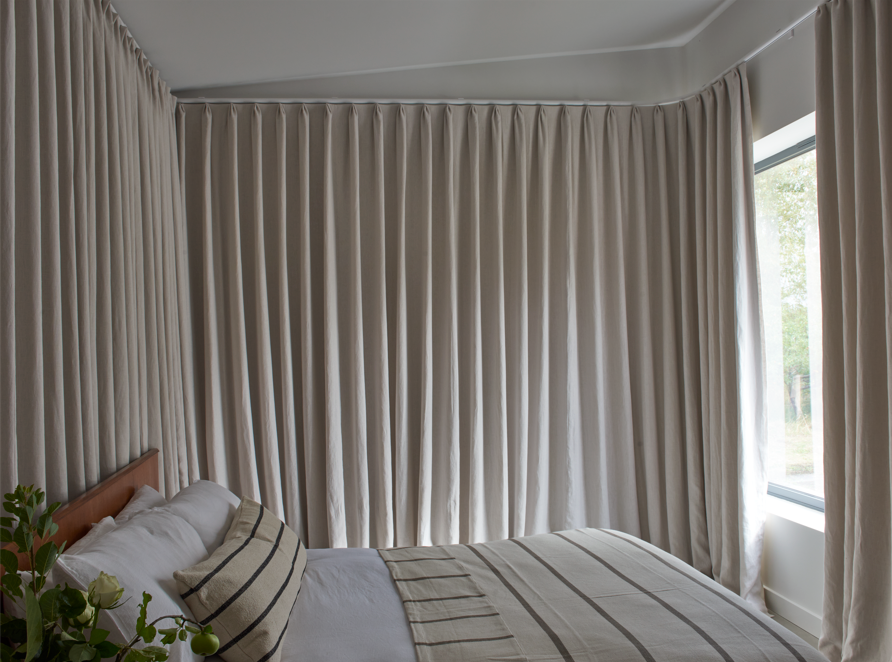
• Wall-to-wall curtains continue to gain popularity for their cocooning effect, in sheer or interlined fabrics.
• Wave curtains are still a popular option with architects, particularly in modern settings with large landscape windows.
• Softer treatments in general are gaining popularity: soft gathered headings, extra pooling onto the floor, soft-fold blinds and other more voluptuous blind styles.
Colour trends inspired by nature
Colours are shifting away from cool greys and whites toward warmer, nature-derived palettes that feel earthy and calming.
Key palettes
• Continuing neutrals: ivory, natural, off-white, string, spelt.
• Warm neutrals: creams, beige and caramel are replacing stark whites and greys for a softer, more versatile base.
• Earth tones: clay, rust, terracotta, caramel, ochre, warm beige, warm brown.
• Landscape colours: colours occurring in a natural landscape palette – soft greens, yellows and impressionistic sky blues.
These tones reflect the changing light throughout the day, especially in rooms with abundant natural light. They're not only photogenic but foster a connection to the outdoors, aligning with the broader wellness trend in interiors.
Patterns and style trends
Fabric collections are introducing:
• Abstract and geometric prints (some with a retro 60s/70s nod)
• Floral stripes and small-scale florals
• Nature-derived patterns and textures
• Stripes and striped textures in natural or tonal shades
• Rich but muted palettes that combine natural hues with bold accents
Sustainable materials and responsible choices
Sustainability is no longer a niche concern – it's becoming the foundation of modern interior design. As homeowners become more eco-conscious and material costs rise, the trend is shifting toward intentional living, where aesthetics meet ethics. Clients are increasingly seeking cheaper alternatives to premium fabrics, but without compromising on look, sustainability or comfort. Clients are increasingly turning towards:
• Natural and eco-friendly doesn't have to mean expensive – blended fabrics and accessible versions are growing in availability.
• Materials are chosen for reuse, traceability and long-term viability, while design is now driven by a desire for a lighter footprint without compromising beauty or comfort.
• Reclaimed and recycled materials are important options, including textiles spun from recycled plastic bottles and cardboard, amongst others.
Local and low-impact craftsmanship
There's a growing emphasis on:
• Hyper-local production using physical and digital tools to turn waste into one-of-a-kind pieces.
• Crafted, not mass-produced: supporting smaller makers and artisans.
• Transparent sourcing and an appreciation for visible craftsmanship.
Comfort meets function
Eco-conscious design must still work for real life:
• Blackout curtains, sheer curtains and insulating fabrics reduce energy use.
• Natural light and warmth are being harnessed through smart placement of windows, blinds and textiles.
• Organic textures and breathable materials promote well-being, especially in a warming climate.
• Re-use, e.g. patchwork curtains and vintage pieces, has its place too.
Conclusion
Picture a neutral-toned living room with soft organic textiles and natural light flooding in through sheer drapes – a calm, grounded space where sustainability feels like a luxury, not a compromise. The result is a movement toward “quiet luxury”, where quality, story and sustainability define indulgence. A well-made, well-chosen curtain can last for years.


Comments